ADVERTISEMENT
What To Know Before Buying Usage-Based Insurance
Have you heard about usage-based insurance (UBI) and wondered if it's just a trend or a smart way to save on your car insurance bill? If you're tired of paying the same premium as everyone else, regardless of how safely you drive or how little you use your car, UBI might have caught your attention. But is it as good as it sounds? What should you watch out for before jumping in? Let's break down what you need to know, so you can decide if this modern approach fits your life and driving habits.
What Is Usage-Based Insurance—And Why Is Everyone Talking About It?
Here's how it works: Your insurer gives you a device or asks you to use an app that tracks things like mileage, speed, braking, acceleration, and sometimes even the time of day you're on the road. Based on that data, your premium will either increase or decrease. It's designed to reward good, safe drivers and those who don't use their cars frequently.
Sounds fair. But before you sign up, let's take a closer look at the big picture—and the small print.
Are You A Good Candidate For Usage-Based Insurance?
Not everyone benefits the same way from UBI. Is it a smart move for you? Let’s find out:
Do You Drive Less Than Most People?
If your car spends more time parked than on the road, UBI could significantly reduce your costs. The less you drive, the less risk for insurers—and the more you could save.
Are You A Cautious Driver?
Smooth driving—no harsh braking, speeding, or sudden moves—means bigger discounts.
Do You Drive Mostly During The Day?
Some programs charge more for late-night or rush-hour driving, when accidents are more likely to occur.
Are You Comfortable With Sharing Your Driving Data?
That's a key part of UBI. If you're OK with your insurer knowing when and how you drive, you're a good fit. If not, look elsewhere.
How Does Usage-Based Insurance Work?
When you enrol, your insurer typically sends you a telematics device (like a small plug-in gadget for your car's port) or asks you to download a mobile app. This device or app records key data while you drive, including:
Mileage
How far you drive, and sometimes where.
Speed
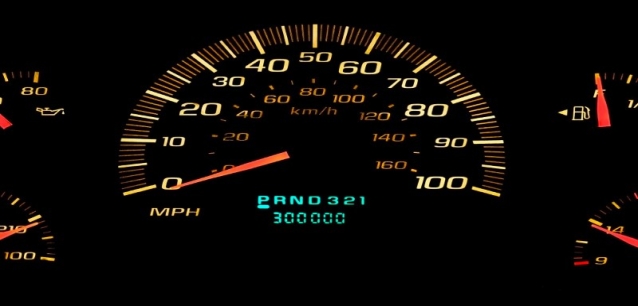
Are you staying within the speed limits?
Braking And Acceleration
Frequent hard stops or rapid starts can be a warning sign of risky driving.
Time Of Day
Late-night and rush-hour driving can increase your risk profile.
Phone Usage
Some advanced apps monitor whether you're using your phone while driving.
Your insurer reviews the data, usually over a trial period of a few months. After that, you may see a discount on your premium, or, in some cases, your rate could increase if the data shows risky habits.
What Are The Pros Of Usage-Based Insurance?
Let’s talk benefits—because there are several reasons UBI is gaining traction:
Potential For Big Savings
Many safe or low-mileage drivers save 10% to 30%—sometimes more.
Personalized Rates
Your cost accurately reflects your actual driving habits, not just averages or assumptions.
Feedback On Your Driving
Some apps offer tips or a scorecard to help you improve (and boost your future discounts).
Motivation To Drive Safer
Knowing your habits are tracked can encourage you to avoid speeding or phone distractions.
Flexible For Occasional Drivers
If you work from home, use public transit often, or only drive on weekends, why pay full price?
What Should You Watch Out For?
Of course, no insurance product is perfect. Here’s what to look out for before you sign up:
Privacy Concerns
You're giving your insurer access to your driving data. Some people are OK with this, while others worry about how it's used or stored.

Potential Rate Increases
If your driving is less safe than you thought—say, frequent hard braking or lots of late-night trips—your premium could go up.
Not All Programs Are Created Equal
Each insurer has its own rules. Some only give discounts; others might raise your rate. Some monitor phone use; others don’t.
Limited Availability
UBI isn’t available everywhere or from every company. Check what’s offered in your area.
Discounts Might Be Temporary
Some companies offer an initial discount just for enrolling, but it might disappear after the first policy period if your driving isn’t up to their standards.
How Usage-Based Insurance Is Changing The Auto Insurance Landscape
More insurers are investing in telematics and digital tools to gain a better understanding of their customers. This technology creates a win-win situation: insurance companies can more accurately assess risk, while drivers have the opportunity to influence their premiums directly.
What does this mean for you? Here are a few significant trends to keep an eye on:
Insurance Gets Smarter
Traditional methods rely on broad factors such as age, gender, or location. UBI provides real-time, personalized data, so you're evaluated based on how you drive, not just the category you fit into.
Incentives For Safer Roads
With more drivers motivated to earn discounts, a ripple effect occurs. People are more likely to avoid risky manoeuvres, slow down in school zones, and put their phones away, because it directly affects their wallets.
Eco-Friendly Driving
Many UBI programs reward reduced mileage. This can result in less traffic congestion and lower carbon emissions, especially as city dwellers and remote workers opt to drive less frequently.
Room For New Features
As the technology improves, some programs are starting to offer bonus perks, such as roadside assistance or alerts if your car battery is low. In the future, you may see UBI linked to car maintenance reminders or reward programs with partner businesses.
Data-Driven Claims
When there’s an accident, telematics data can speed up the claims process. Insurers can quickly check the facts, which helps you get back on the road faster.
Making The Most Of Usage-Based Insurance
Ready to give it a try? Start by checking what’s available in your area. Compare programs, read the fine print, and be honest about your driving style. With the right match, you could see real savings—and maybe even become a safer driver in the process.
Whether you’re a weekend explorer or a city commuter, knowing the ins and outs of usage-based insurance will help you make the smartest choice for your wallet and your wheels. Safe travels!